Oct 10, 2026CNC Machining Tips
CNC Machining Plastics: Nylon vs POM for Functional Parts
Nylon and POM compared for CNC-machined functional parts — strength, wear, moisture and machinability, and when each plastic wins.
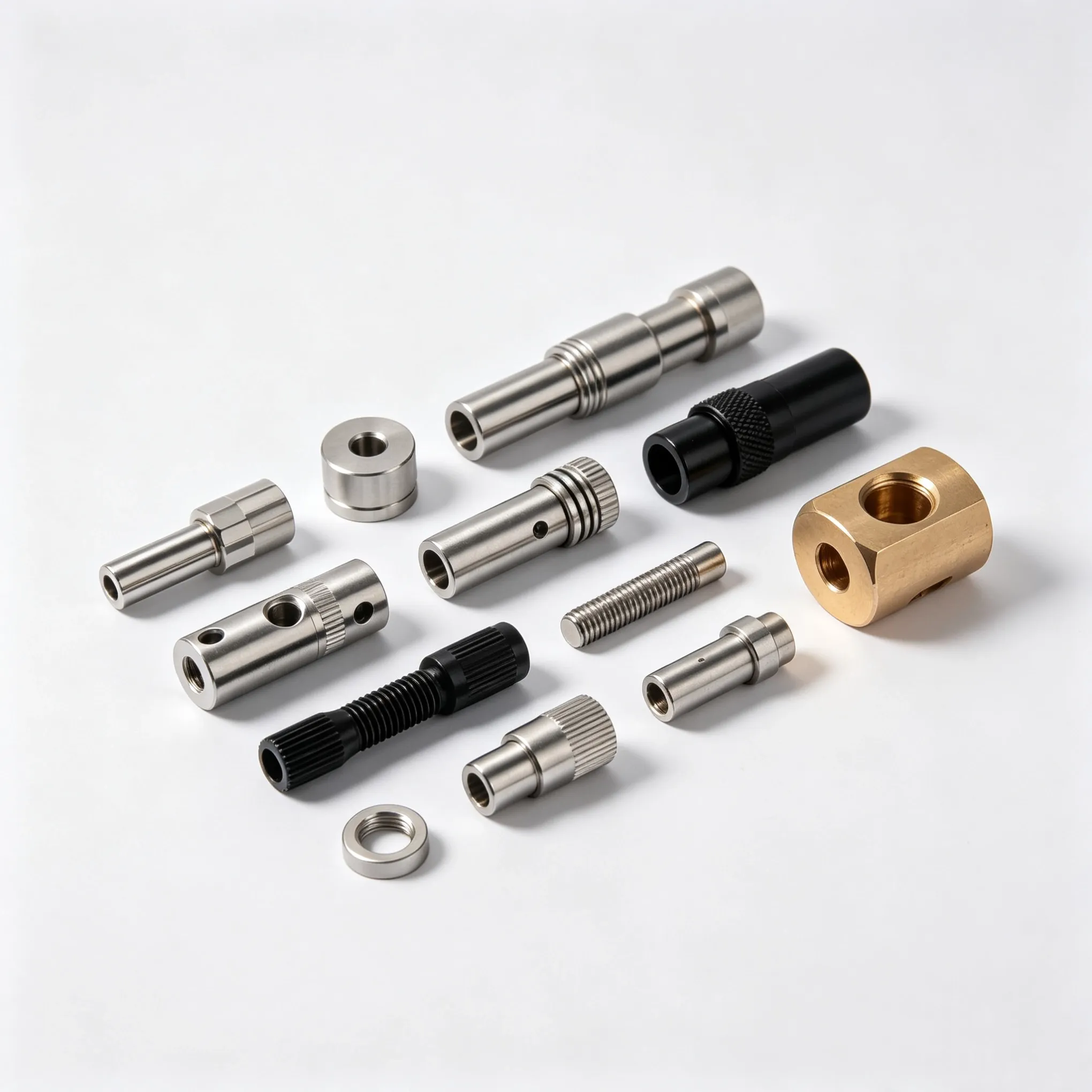
CNC-machined functional plastic parts almost always come down to one of two callouts: nylon where the part needs toughness and wear life, and POM (polyoxymethylene, commonly known as Delrin) where it needs stiffness, low friction and dimensional stability. If you are the design or process engineer at a hardware startup or equipment maker who owns that material callout, this page gives you the mechanism behind each plastic's behavior and a checklist for deciding which one your part actually needs.
The comparison covers load character, moisture, friction, dimensional stability and how the two materials behave on the machine. It is not written for injection-molding production decisions, resin-grade selection, or cosmetic parts where mechanical behavior does not matter. Exact performance stays unverified until the part runs in its real environment; nothing here commits you to a purchase.
The decision you are actually stuck on
1. You are the engineer who owns the material callout on a functional plastic part, so the selection and its consequences land on you.
2. A part that has to carry load, slide against metal, insulate an assembly, or run quietly has just left CAD, and the drawing needs a plastic callout before anyone will quote it.
3. Both nylon and POM show up on supplier lists as engineering plastics, but neither datasheet tells you how the material will behave in your part's specific combination of humidity, loading and mating surface.
4. Pick the wrong one and the part may swell out of tolerance in humid service, wear early against its mating metal, or loosen and grow noisy in operation — forcing a material change and a round of re-machining.
5. The prototype loop repeats, the build schedule may slip, and the material question may start casting doubt on the rest of the assembly's choices.
6. Work through the four-factor checklist below and decide between nylon and POM on load character, humidity exposure, friction pair and stability before the drawing goes out.
When a machined plastic beats metal
Plastic earns the callout for reasons metal cannot match. It weighs less, which matters on anything that moves. It runs quietly — nylon in particular can damp vibration and noise, which is why gears, rollers and wear pads are so often plastic. It will not gall or seize against a steel or aluminum mating surface the way metal-on-metal contacts can. And it insulates electrically, which removes a class of isolation hardware from the design.
Metal stays the answer where stiffness, structural load paths or elevated-temperature strength are required, or where the part is structural rather than moving. If that is where your part landed, the follow-up at the end of this page takes you to the metal decision instead.
The two plastics, compared as machined materials
Nylon: toughness and wear life
Nylon is usually the pick when the part takes impact, repeated loading or assembly abuse, because its toughness lets it flex and recover instead of cracking. It typically wears well against metal mating surfaces and can help damp noise, which is why rollers, gears and wear strips so often call for nylon. The caveat is moisture: nylon absorbs water from the air, and as it does, its dimensions may drift and its friction behavior may change. In a stable, dry environment the drift is usually small enough to design around; in washdown, outdoor or humidity-swinging service, it may decide the choice against nylon on its own.
POM: stiffness, low friction and dimensional stability
POM is typically the pick when the part needs to hold a precise fit — a gear mesh, a sliding bushing, a threaded feature — because it is stiffer, runs with low friction, and stays dimensionally stable as humidity changes. Its low moisture uptake is why precision plastic parts so often end up as POM, and it typically takes fine detail in machining: crisp edges, clean threads, tight-fitting features. The trade-off is forgiveness. POM is usually less tolerant of impact and repeated shock than nylon, and a part designed around nylon's give may chip or crack in POM under the same treatment.
How the two cut on the machine
Both machine cleanly compared with most plastics, but they behave differently at the spindle. Nylon is tougher and slightly gummier: its chips tend to come off stringy and must be cleared continuously so they do not wrap the tool or mar the surface, and sharp tooling matters more. POM tends to cut crisply and clears its chips cleanly, and typically holds fine features and threads with less attention. Neither material usually changes the process route, but they can change feeds, tooling choices and finishing attention — worth knowing before you promise a surface on the drawing.
The nylon-versus-POM selection checklist
Fill each field with your part's actual conditions; the callout usually falls out of the first two:
Load character → steady load, impact, or repeated loading? ______
Humidity exposure → will the part see water, washdown, or humidity swings in service? yes / no
Friction pair → what does it run against, and dry or lubricated? ______
Stability requirement → how much dimensional drift can the assembly tolerate at the fits that matter? ______
Callout to record → nylon or POM, with the one-line reason: ______
Repeated impact, noise-sensitive running and forgiving clearances point toward nylon. Precision fits, dry low-friction sliding and changing humidity point toward POM. When both signals pick the same plastic, the callout is easy; when they split, the humidity and stability fields usually break the tie.
What this checklist cannot tell you
The checklist ranks where each plastic tends to win; it does not qualify your part — only the part's real environment and loading do that. Where the two plastics come out close on every field, machining one of each in the first prototype round may cost less than a second prototype loop later, and the experiment usually stays small.
For reference, ProLathe's confirmed capabilities:
CNC machining of nylon and POM
Machining to ±0.05 mm as the standard working tolerance
Quotations within 24 hours
ISO 9001 certified
Run the checklist on your part
Run the checklist on your part, fill the four fields, and record the nylon-or-POM callout with its reason before the drawing goes out for quotation. One recorded callout turns an open material question into a decision the next engineer can audit, and it tells the shop what the part needs from its material.
Two follow-ups depending on where your check lands:
If the checklist pushed the part toward metal properties, when metal properties are required, compare the aluminum alloys.
Once the callout is settled, review CNC milling for plastic parts to see how the part would be made.
Running the checklist and recording the callout is the whole action this page asks of you: it turns "nylon or POM" from a datasheet argument into a part-specific decision you can hand off with the drawing.