Oct 10, 2026CNC Machining Tips
Sheet Metal vs CNC Machining for Enclosures: How to Choose
How to choose between sheet metal fabrication and CNC machining for an enclosure — the features, tolerance and quantity signals that point to each route, and when the answer is both.
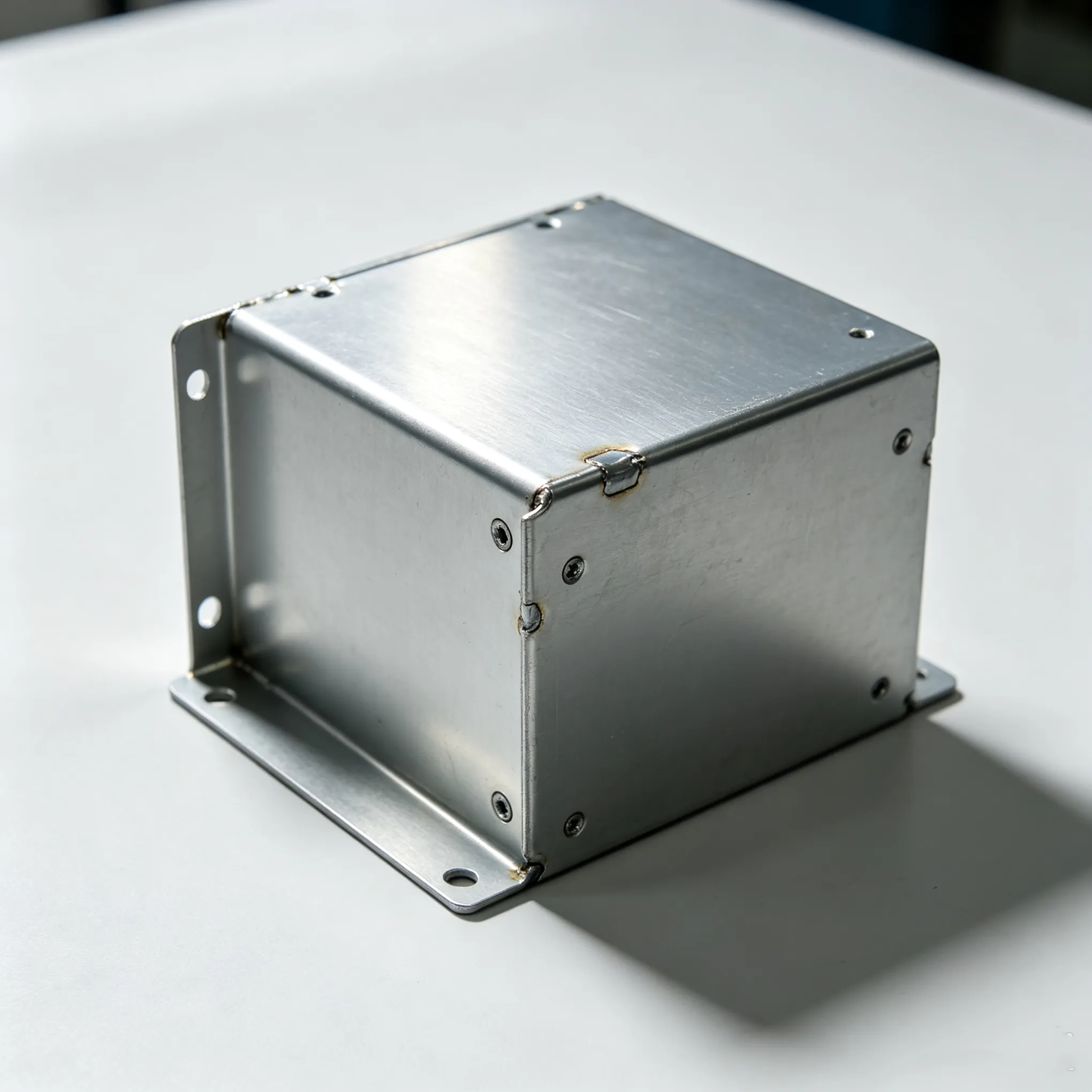
Sheet metal fabrication forms an enclosure from flat stock — cut, folded and closed. CNC machining cuts the same box from solid plate, features included. Neither route wins in general: the enclosure's geometry, sealing needs, tolerance class and quantity decide. If you are a design or NPI engineer at a hardware startup or equipment maker choosing a process for a new enclosure, this page is for you.
Below: how each process shapes a box, the signals that point to one route or the other, and a checklist to run on yours. It is not a sheet metal design tutorial (flat patterns and bend allowances stay with your CAD tools), not a stamping comparison, and not written for enclosures you do not design yourself. Nothing here commits you to a purchase.
The decision you are actually stuck on
1. You are the design or NPI engineer who owns the enclosure, and its process choice quietly sets what fits inside it and when it ships.
2. The enclosure has just left CAD — or a printed mock-up has proven the concept — and the next step is production, not another prototype.
3. Both sheet metal and machining can make a box, and nothing in the model says which route survives the features that matter — sealing faces, threaded holes, pockets, precision interfaces.
4. Route it wrong and the design may come back for a revision — a machined seal groove becomes a bent flange with a gasket, or a formed box tries to hold a fit it cannot — before anyone has quoted.
5. Release may slip while the enclosure is reworked, and the quote may have to be redone around the new process.
6. Sort the enclosure's requirements against the dividing lines below, record a verdict — sheet metal, machining, or hybrid — and carry it into the quotation request.
How each process builds a box
Sheet metal is formed from flat stock — cut, folded and closed; machining excavates from solid plate. One keeps uniform thickness with features in the flat; the other puts thickness, pockets and threads where the design wants them.
What sheet metal is built for
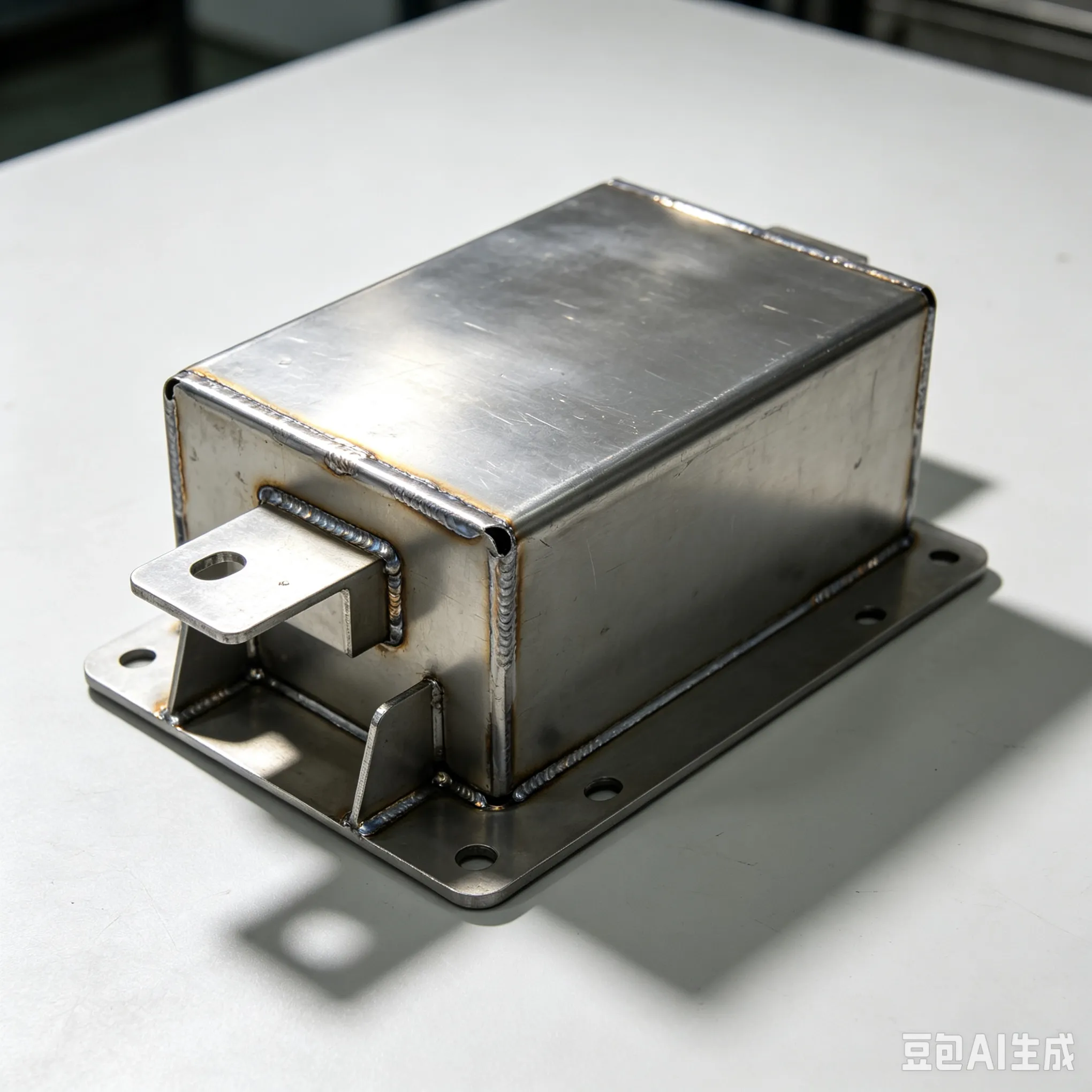
Bent boxes, chassis, covers and brackets: mostly planar geometry, uniform thickness, features running two-dimensionally through the material. Laser cutting places holes, slots, vents and connector cutouts anywhere in the flat; bending folds flanges, stiffening lips and closed corners. Panels usually repeat without new tooling, and bends add stiffness without mass — why large, thin, mostly empty enclosures usually start as sheet metal.
What machining is built for
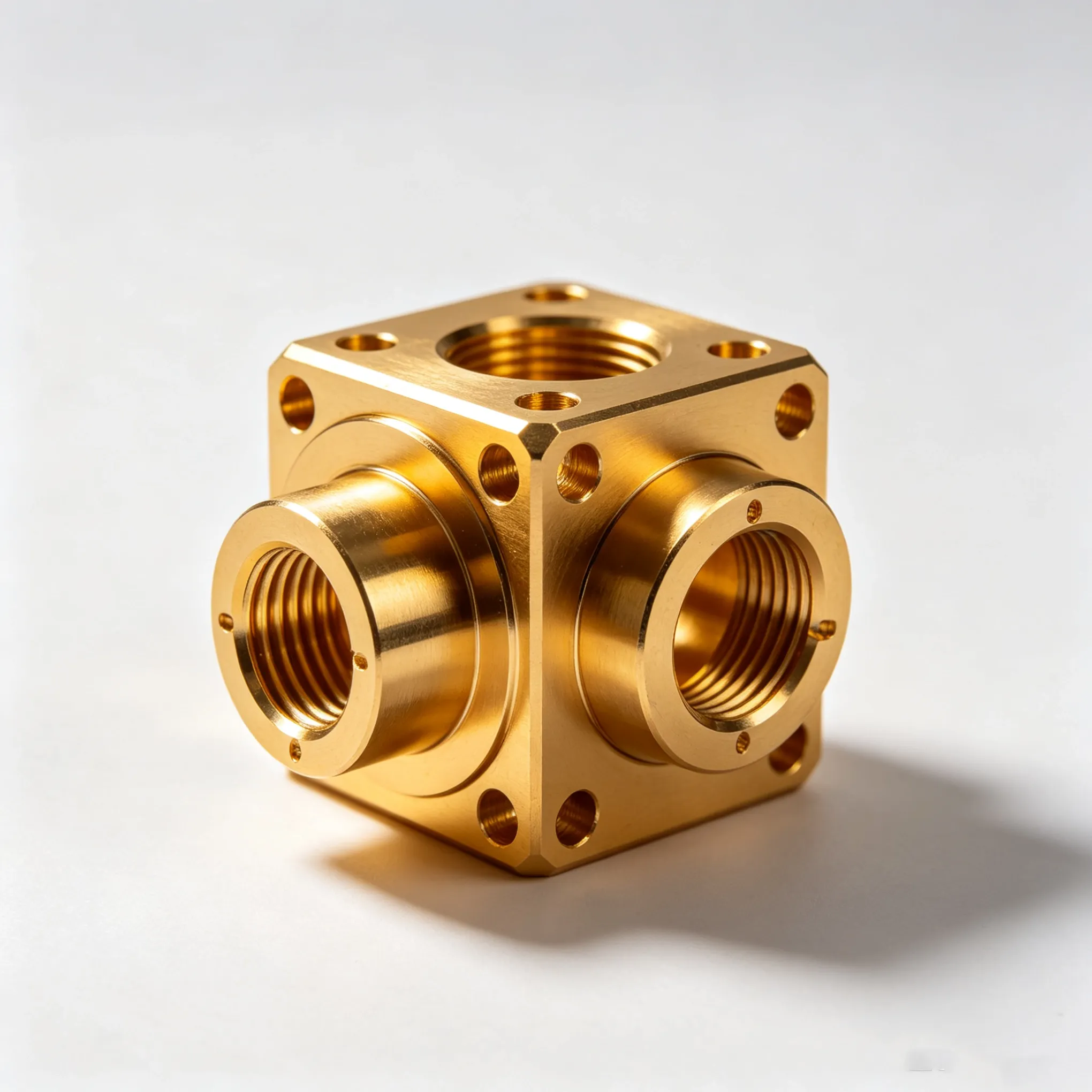
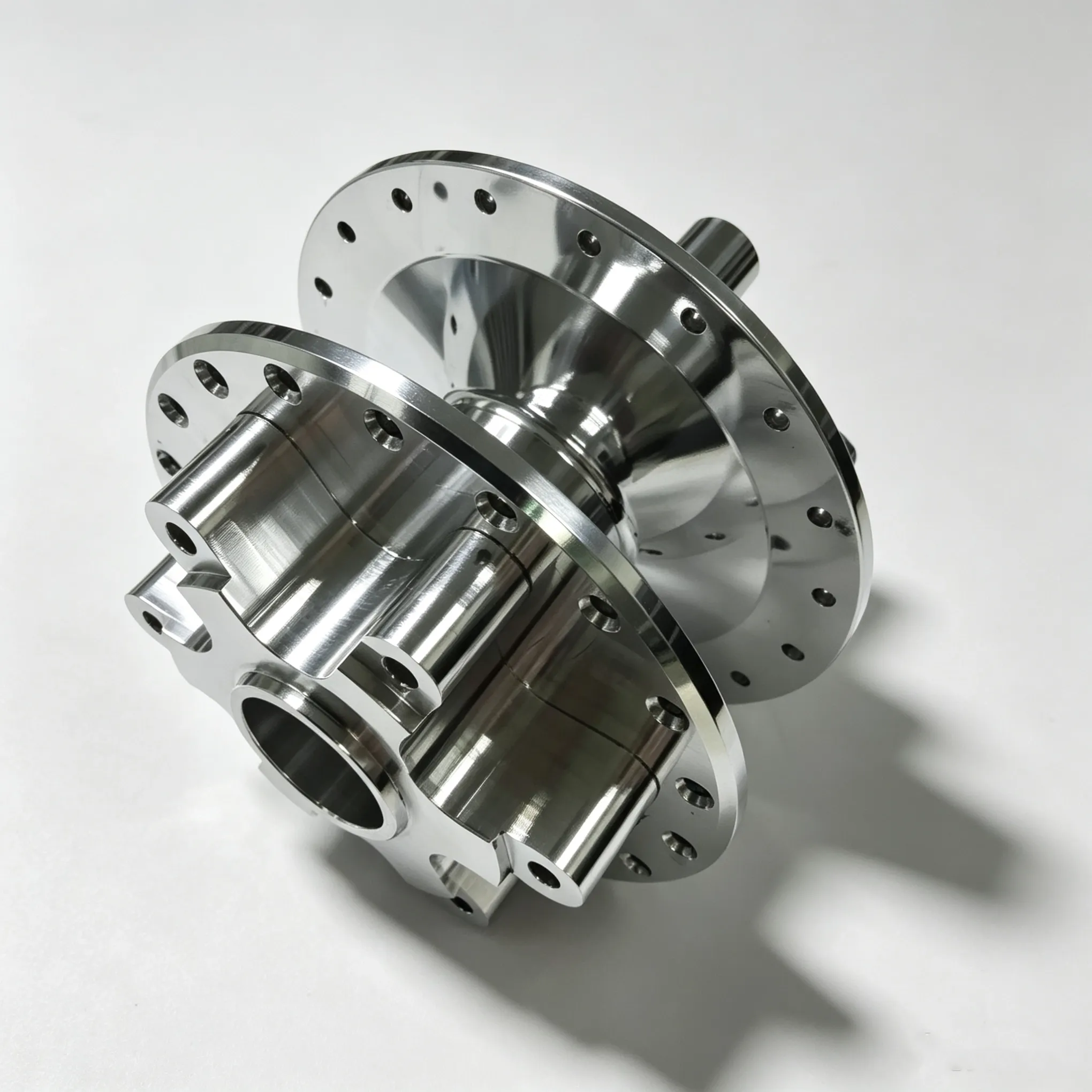
Not-planar geometry: pockets with controlled floor thickness, integral bosses, cross-holes, and bores that must hold a fit. Machining cuts all of it from plate as one piece — no seams, no stack-up, threads wherever the tool can reach. Every recessed feature is cut individually, which usually makes a big mostly-empty volume its least efficient job and a feature-dense box its natural home.
The hybrid that mixed designs land on
Many enclosures are both: a folded shell that covers and ventilates, plus a machined interface where the function is demanding — a front panel with connector cutouts, an interface plate carrying bearing bores. Put the tolerance-critical interface on the machined part and the enclosure volume on the formed part. That split concentrates machine time where it buys accuracy and leaves the bulk of the box to the process that usually runs faster for it.
Where sheet metal usually owns the enclosure
Sheet metal usually owns the enclosure when the job is to cover, mount and ventilate a mostly empty volume.
Stiffness from form, not thickness: a large box gets rigidity from bends, flanges and lips — so panels can stay light and still take normal handling. When weight or size binds, forming is usually the easier route.
Flat features at quantity: connector openings, louvers and mounting holes are cut in the flat and repeat with the program, so a design made mostly of them usually scales with bending, not new tooling.
Sealing at a flange: a gasket between two folded flanges can seal a cover interface when the flange stays flat enough; a seal across a precision face is a machining signal.
Where CNC machining usually owns it
CNC machining usually owns the enclosure when it carries sealing faces, precision interfaces or feature-dense geometry.
Sealing and fits: a gasket face that must stay flat across its length, an O-ring groove, a bearing bore, a dowel-pin location — these come from cut faces that a folded or seamed wall usually cannot hold.
Integral features: threaded holes on several faces, pockets with controlled floor thickness, steps that locate a board or sensor — machining puts them in the part, not in hardware.
Flexibility at small quantity: geometry edits become toolpath edits, with no flat layout to re-check.
Rugged duty: vibration and repeated handling suit a solid, thick-walled body. The trade is weight — solid walls are heavier, so if mass binds, forming usually wins.
The enclosure process checklist
Fill each field with your design's answer:
enclosure size and wall expectation → ______
job of the box → cover / mount / ventilate / protect: ______
sealing requirement → gasket face / O-ring groove / none: ______
tolerance-critical interfaces → faces, bores, fits: ______
integral features → threads, pockets, bosses, cross-holes: ______
quantity band → prototype / small batch: ______
environment → vibration, moisture, dust: ______
finish expected → anodizing / painting / none: ______
verdict → sheet metal / machining / hybrid: ______
features to re-check at quotation → ______
What this checklist cannot tell you
The checklist routes the enclosure to a process; it cannot price the part or promise a delivery date — those stay unverified until a real drawing is quoted. Machine time, stock, forming and finishing all move the number, so confirm the routing at quotation. Machined features come from the standard working band — ProLathe machines to ±0.05 mm — and any tighter or sealing-specific condition is a drawing-level question for the supplier.
For reference, ProLathe's confirmed capabilities:
CNC machining and sheet metal fabrication, both in-house — one supplier for a hybrid enclosure
Machined features to a ±0.05 mm standard working tolerance
Sheet metal: laser cutting and bending, prototypes and low-volume runs
In-house surface finishing: anodizing, QPQ, sandblasting, passivation, painting
Quotations within 24 hours; simple parts typically around 7 days
ISO 9001 certified
Run the checklist on your own enclosure
Run the enclosure process checklist on your design and record the verdict — sheet metal, machining, or hybrid — before you request quotes. The follow-up depends on where the verdict lands:
When the verdict is sheet metal, review ProLathe's sheet metal fabrication service before writing the request.
When quantities are still open, decide prototype versus small-batch quantities before the process sets them for you.
Recording the verdict is the whole action this page asks of you: it turns "which process fits this box" into a decision your quotation carries.