Oct 13, 2026CNC Machining Tips
CNC Machining for Medical Device Parts: Materials, Tolerances, Documentation
Medical device component machining — biocompatible materials (316L, 17-4PH, Ti-6Al-4V, PEEK), typical tolerances, documentation requirements and RFQ structure.
Medical device components sit at the strict end of CNC machining: biocompatible materials, tight tolerances, full traceability and documentation that survives an audit. For engineers and procurement teams sourcing prototypes or small-batch instrument parts, the supplier evaluation is different from general machining — and the questions worth asking are specific.
This guide covers the three axes that define a medical machining job — material, tolerance and documentation — plus how to structure an RFQ so the first quote is the real one.
Key takeaways
• The common medical alloys are 316L/17-4PH stainless, Ti-6Al-4V (Grade 5) and Ti-6Al-4V ELI (Grade 23), plus PEEK and POM for polymer components.
• Documentation is the difference: mill certificates with heat numbers, inspection reports and process records are expected, not optional.
• Prototype and pilot quantities are typical in medical development — pilot runs of 10–500 parts are well matched to CNC machining.
Material selection for medical components
Stainless steels
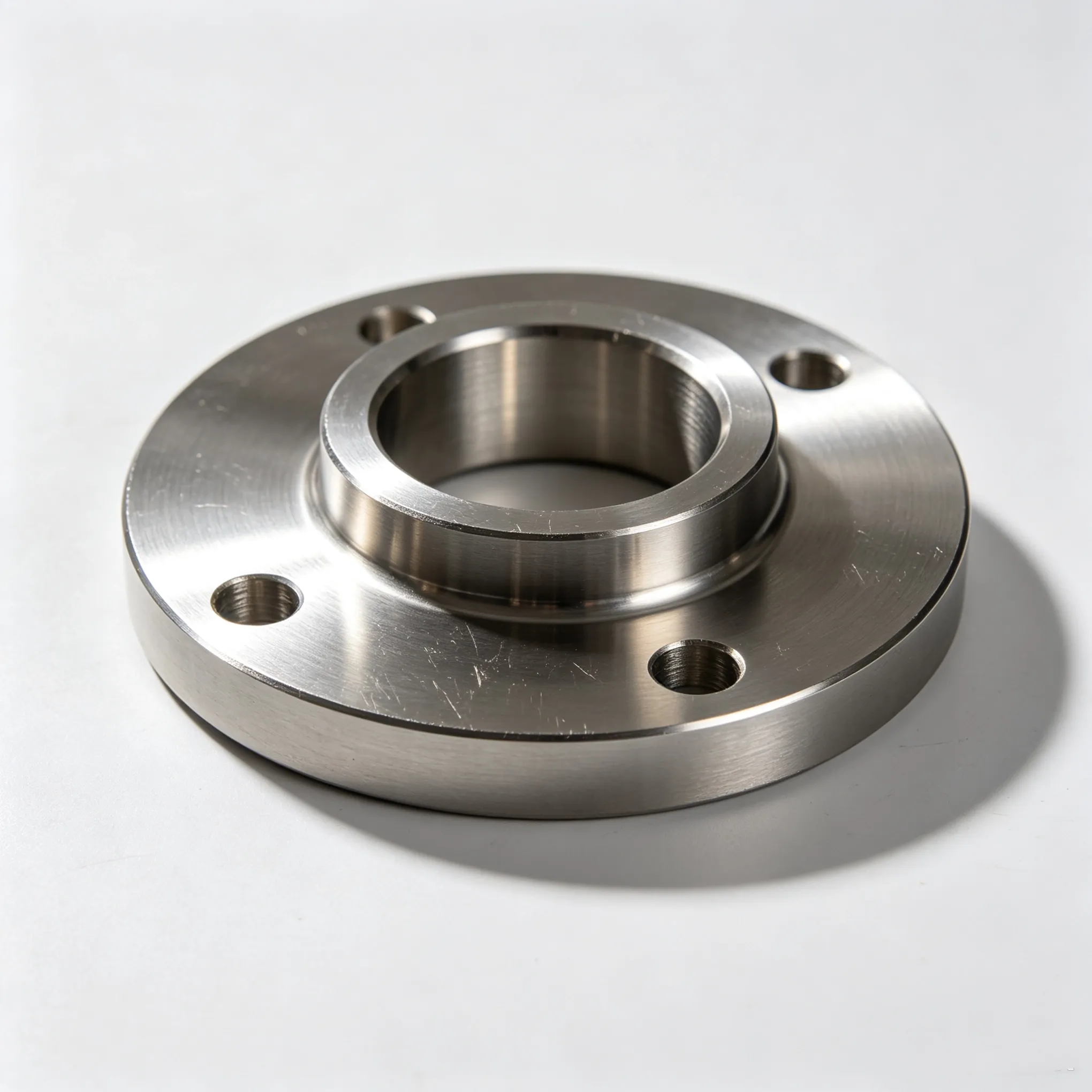
316L is the default for instruments, housings and non-implant components: corrosion-resistant, machineable, weldable, and available with full certification. 17-4PH adds precipitation-hardened strength for surgical instruments, shafts and load-bearing components — it machines well in the annealed state and is heat-treated after machining. 303 offers the best machinability but its sulfur content limits it to non-medical (or non-contact) use in most quality systems.
Titanium
Ti-6Al-4V (Grade 5) for implant-grade strength and biocompatibility; Grade 23 (ELI) where ductility and fracture toughness requirements point to it, including the most regulated implant applications. Both machine slowly — the cost structure is dominated by machining time, not material.
Polymers
PEEK is the engineering polymer of medical devices: autoclavable, chemically resistant, radiolucent and machineable — used for instrument handles, surgical guides and implant trials. POM (acetal) covers lower-cost components where sterilization cycles are less demanding. Both machine cleanly and hold ±0.05 mm routinely.
Tolerances and features typical in medical work
±0.05 mm is the standard working band on medical components, with selected features — bores that mate with instruments, threaded interfaces, sealing surfaces — planned tighter and quoted specifically. Features that recur in medical parts: fine threads with controlled depth and full-form callouts, reamed or honed bores for sliding instruments, cross-holes, chamfers sized for smooth insertion, and surface finishes specified per face (sealing faces 0.8 µm Ra, general surfaces 3.2 µm Ra). Deburring is a functional requirement in medical parts, not cosmetic — every edge that can contact tissue or a working channel gets a controlled edge break, specified on the drawing.
Documentation: what a medical RFQ should ask for
• Material certificates — mill certs with heat numbers, traceable to the lot used
• First article inspection (FAI) report with dimensional results against the drawing
• In-process inspection records at the stages the quality agreement specifies
• Certificate of Conformance (CoC) for the finished lot
• Process documentation: machine, program revision, tooling used — for repeatability and audit trails
• Nonconformance handling: notification, containment and root cause before any decision to rework
The practical advice for the buyer: state the documentation package in the RFQ, not after delivery. Suppliers that routinely serve medical customers build these costs into their quotes; suppliers that do not will either pad the price or push back later. Either outcome is cheaper to discover before the order.
Prototype to pilot: the quantity profile that fits CNC
Medical device development runs on small quantities: 3–10 instrument prototypes, 20–50 bench-test units, 100–500 units for clinical or pilot builds. This is exactly the volume band where CNC machining is the economical route — no tooling investment, design changes absorbed at drawing level, and parts within days instead of months. Injection molding becomes relevant only when the device is frozen and production volumes are forecast in thousands.
Questions to ask a medical parts supplier
Beyond the ten general supplier questions, medical sourcing adds four: Can you provide material certifications traceable to heat number? Is inspection performed against the drawing with records, or by sampling? How do you handle a nonconforming lot on a medical order — is the customer notified before any rework? And can you sign the confidentiality agreement before receiving patient-adjacent or proprietary geometry? Suppliers with medical customers answer these immediately and specifically.
Cleaning, passivation and packaging
Machining leaves contamination: cutting fluid residues, fine chips, and on stainless steel an altered surface layer where iron particles can embed and later corrode. Medical supply chains normally require cleaning and, for stainless parts, passivation (per ASTM A967) to restore the protective oxide. Both are process steps with records — say so in the RFQ. Packaging matters too: parts that will be sterilized downstream need packaging that survives the journey without damage to those carefully broken edges, and any supplier shipping medical components should be able to describe their packaging controls.
One practical note on passivation: it does not change dimensions, so it can be scheduled after final inspection without re-inspection — but the surface must be specified, because machined 316L that skips passivation is more corrosion-prone than the same part after treatment.
Traceability through small batch runs
The traceability requirement that surprises first-time medical buyers is lot discipline: parts from different material heats should not be mixed without records, even when the drawing and dimensions are identical. For a CNC shop this means documented material intake, lot separation through machining, and inspection records tied to the lot — routine work, but only if the requirement is stated. In the RFQ, specify how lots should be kept separate and how many certificates you need per shipment, and the quote will carry the honest cost of that discipline instead of discovering it mid-production.
How to structure the medical RFQ
Send the drawing with four additions that prevent quote variance: the material grade and certification requirement, the inspection and documentation package, the surface and edge requirements per face, and the quantity profile (prototype, pilot, production forecast). That's the package our engineering team reviews — with DFM notes and pricing back within 24 working hours, and confidentiality terms available before files change hands. Send your medical part drawing for a quote.